10 Unique Amenities That Set Your Coworking Space Apart

10 mins read Published: Jun 21, 2024 Last updated: Jul 31, 2026
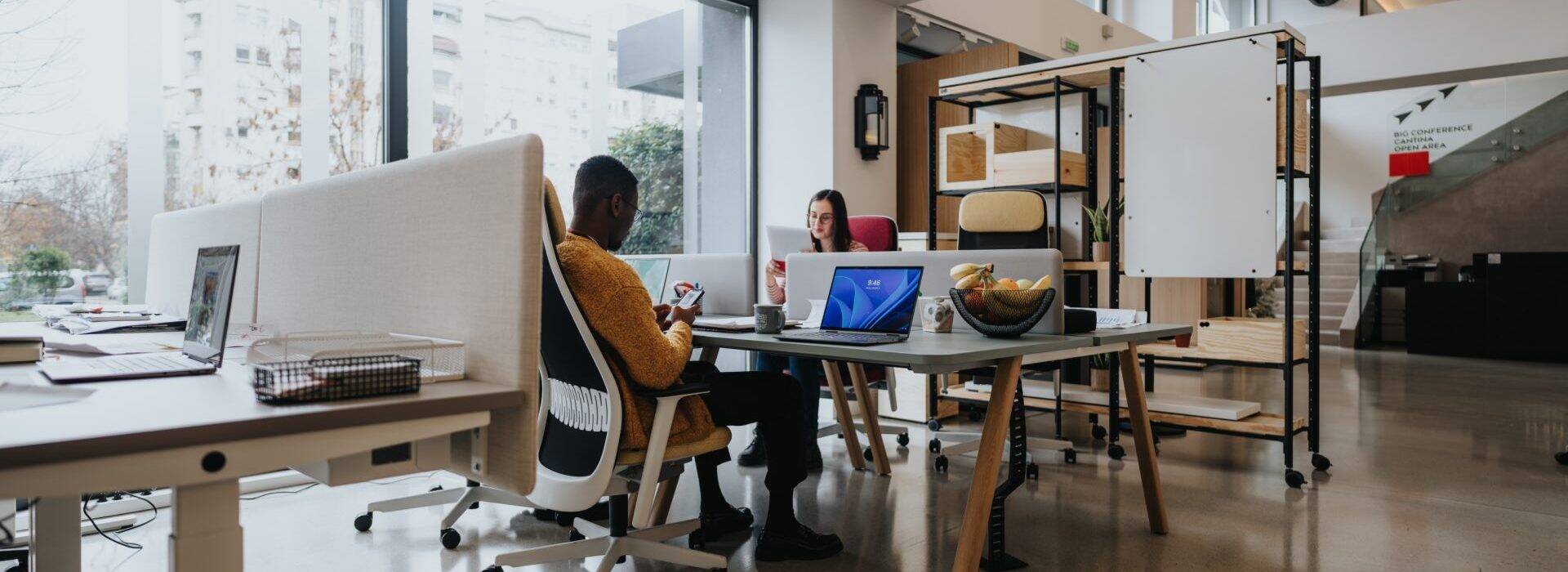
Some coworking spaces feel like a second home. It’s rarely the desks or the Wi-Fi doing that work. It’s the amenities.
Coworking amenities are the services and facilities a space provides beyond desks and internet, from wellness rooms and podcast studios to concierge desks and childcare, that shape how members feel about working there every day.

The right ones make a workday better and give members a reason to renew. The wrong gaps quietly push them toward the exit.
The coworking industry keeps expanding. Allwork.Space puts the global count at around 42,000 spaces, with roughly 44,000 expected by the end of 2026 and 5.5 to 6 million members worldwide.
More spaces means more competition. To stand out in a crowded market, operators need amenities that match how their members actually work and live.
We’ve already covered the basic, must-have amenities every space should have. This article covers the ones that set you apart from the pack.
Quick Summary:
Picture a space that’s more than rows of desks and chairs. A member grabs a coffee from the in-house cafe, takes a call in a soundproof booth, then steps onto the rooftop for ten minutes of air before the next meeting.
Standing out takes more than office equipment. Members now choose a space for the experience, and a desk and strong Wi-Fi are table stakes.
A range of specialized services lets you serve different types of members and gives each of them a reason to stay. That matters for the numbers: 89% of coworking members report being happier since joining a space, according to Optix benchmarks, and the amenities members interact with daily are a big part of why.
Some operators go further. Industrious, now owned by CBRE, has partnered with retailers to add amenities that draw people in.
Here are 10 coworking amenities worth considering, with real spaces that do each one well.
Wellness amenities have moved to the top of member wish lists. The 2024 Coworks operator survey found wellness amenities led member requests at 58.1%, ahead of food and beverage upgrades.

Think a morning yoga session before the workday, an organic smoothie from the snack bar, or a quiet meditation room for a midday reset.
These aren’t luxury asks. They reflect what workplace quality means to members now, and they help keep people around.
Life Time Work is a premium example, pairing coworking with full fitness and wellness facilities.
In a well-equipped space, members walk in to automated lighting set the way they like it, comfortable climate control, and connected devices that keep things running quietly in the background.
Reliable, fast internet is the baseline. Beyond that, tech-enabled meeting rooms, keyless entry, and smart environmental controls make the day run without friction.
Niche coworking spaces are growing, and tech is often what makes them work. A professional-grade podcast studio, for instance, is a reliable draw for content creators.
Software matters as much as hardware here. If you’re managing memberships, bookings, and billing, OfficeRnD Flex connects those operations in one system, and its AI Hub layer adds an AI Sales Agent that responds to inbound inquiries within seconds so no prospect waits for a reply.
In an OfficeRnD webinar, Craig Baute of Creative Density explained how adding a podcast studio in one of his coworking spaces made a real difference to member interest.
Collaborative spaces are where a lot of the value in coworking actually happens. Around 70% of members prioritize collaboration-friendly spaces over traditional private offices, so this is worth getting right.

From themed rooms built for brainstorming to quiet nooks for a quick catch-up, spaces that adapt to different kinds of work give members more reasons to stay on-site instead of retreating home.
YoCo is a strong example. The Australian operator runs coworking spaces across Brisbane and is expanding fast, with plans to grow from four to 30 locations by 2027. Founder Yusuf Oner’s approach gives each space its own theme, vibe, and aesthetic.
For how YoCo runs its spread of distinct locations on one system, see their customer story.
A concierge who knows members by name, sets up a last-minute meeting room, or sorts a tech glitch on the spot removes a lot of daily friction.
Concierge and personal services turn a workspace into somewhere that handles the small logistics for members: administrative tasks, workspace setup, even booking a client dinner. Reliable document services, IT support, and admin help tend to be most valued exactly when they’re missing.
These services make members feel looked after, and they add efficiency to the day.
Canopy is one example. Alongside concierge service, it offers night access, sit-to-stand desks, sound masking, and private offices and dedicated desks across its San Francisco locations.

Food and drink do more than feed people. In-house cafes and coffee stations become the spots where members bump into each other, and the kitchen often turns into a natural gathering point for the community.
Special culinary events build community, and healthier options keep members fueled through the day. Food and beverage upgrades sit right behind wellness on member wish lists, so this is a practical place to invest.
Commongrounds Cooperative in Traverse City, MI does this well. It runs the NoBo Mrkt, a café and beverage bar, plus the Esperance Community Teaching Kitchen, which hosts food-focused classes and events.
Members need somewhere to step away. A relaxation lounge, a nap pod, or a games area gives people a way to reset and come back to work with a clearer head.

Image via enigmacoworking.com
These creative and downtime areas aren’t extras. They give the workday a rhythm and make the space somewhere people want to spend time.
Enigma is a good example, with themed zones for different modes of work. “The Sandbox” is open and collaborative, “The Cooler” is a social space for casual conversation, and “The Recluse” offers sleeper pods for a proper break.
Learning keeps members coming back. Workshops, courses, and skill-building sessions turn a workspace into somewhere people grow, not just somewhere they sit.
Whether a member is a startup founder or a freelancer refining their craft, ongoing learning adds real value to a membership. Add mentorship and a community that shares knowledge, and the space becomes a career resource, not just a desk.
HubHub, with a location in Warsaw, puts professional development front and center, running educational programs and workshops aimed at freelancers, startups, and digital nomads.
Networking works best when it doesn’t feel like networking. Social gatherings that mix business with something enjoyable spark the connections that matter.

Image via Lexc.
Social lounges, collaborative projects, and team-building sessions turn a workspace into a place where people meet and ideas move. Operators with strong community and hospitality-led service consistently outperform those without.
Coworking spaces with real community are more than places to work. They’re incubators for growth and lasting connections.
The League of Extraordinary Coworking Spaces (LExC) is a global network of independent coworking spaces that meet a shared quality standard. Members get access to spaces worldwide plus community events.
Sustainability is a genuine draw for members who care where they work. Solar power, upcycled furniture, zero-waste kitchens, and plenty of plants all signal that a space takes its footprint seriously.
There’s demand for it. IBM research found 68% of employees are more likely to accept jobs from companies that are sustainable, and that expectation carries into where people choose to work day to day.
Green practices cut a space’s environmental impact and attract members who share those values, which builds a community of its own.
Green Spaces in Denver’s RiNo Arts District is a clear example. It runs on 160 solar panels, uses LED lighting and a zero-waste initiative, and connects members to the city’s Certifiably Green Denver Program.
For working parents, childcare on-site changes the whole equation. Members can focus knowing their kids are cared for a few steps away.
Family-friendly spaces also build a community of members who understand the same juggle. With on-site daycare, family lounges, and kid-friendly events, parents find peers who share the experience.
MOMentum, founded by working moms, builds childcare into its community spaces. It offers early care, aftercare, and summer camps, and has supported families through a range of challenges.
Coworking amenities are the services and facilities a space offers beyond desks and Wi-Fi. Basic amenities include ergonomic furniture, meeting rooms, printing, and mail handling. Standout amenities include wellness rooms, podcast studios, concierge services, childcare, and sustainability features.
Wellness and food and beverage lead member wish lists. The 2024 Coworks operator survey found wellness amenities topped requests at 58.1%, with food and beverage upgrades close behind. Reliable internet, quiet phone booths, and easy meeting room access are near-universal expectations.
Members interact with amenities every day, and those small, repeated experiences shape whether they renew. Good filtered water, available meeting rooms, and reliable internet build quiet trust. Repeated friction pushes members toward their next renewal decision.
Beyond the basics, differentiators include on-site fitness and yoga, themed collaborative rooms, professional podcast studios, concierge services, in-house cafes, nap pods, on-site childcare, and sustainability initiatives like solar power and zero-waste programs.
It varies widely. Snack bars, community events, and phone booths are relatively low-cost. Fitness centers, childcare, and podcast studios require larger upfront investment. Start with what your specific members want most, which is usually wellness and food and beverage, then expand from there.
Amenities are how a coworking space earns loyalty. The best ones fit the members you serve and get delivered consistently, day after day.
Pick the amenities that match your community, run them well, and they’ll do more for retention than any marketing campaign.
And if you need coworking software to manage your space as it grows, check out OfficeRnD Flex.


![14 Best Space Management Software Tested and Compared [2026]](data:image/svg+xml;base64,PHN2ZyB2aWV3Qm94PSIwIDAgMTE1MiA3MTkiIHdpZHRoPSIxMTUyIiBoZWlnaHQ9IjcxOSIgeG1sbnM9Imh0dHA6Ly93d3cudzMub3JnLzIwMDAvc3ZnIj48L3N2Zz4=)
The best space management software in 2026 is OfficeRnD Workplace. This is a complete buyer's guide.

The average flex operator connects 1.65 of 5 core systems. See what the gap costs and how to fix it.
A 2-site coworking operator shares how OfficeRnD's AI Sales Agent handles inquiries.
A full year of hybrid work data, taken from our own Workplace product analytics.
OfficeRnD Flex vs Nexudus on pricing, features, and real G2 reviews.
OfficeRnD Workplace vs Robin, full comparison: pricing, adoption, coordination and fit